IA 첨삭 패키지
ToK 첨삭 패키지
커리큘럼
자주묻는질문
인재채용
Mentoring Program Curriculum (1)
/
Subjects
/
Chemistry
/
Topics
/
S2. Models of bonding and structure
수학
영어
화학
생물
경제
전시회 Exhibition
에세이 Essay
일회성 첨삭
방학특강
정규반
Mentoring Program Curriculum (1)
/
Subjects
/
Chemistry
/
Topics
/
S2. Models of bonding and structure
IA 첨삭 패키지
수학
영어
화학
생물
경제
ToK 첨삭 패키지
전시회 Exhibition
에세이 Essay
일회성 첨삭
커리큘럼
방학특강
정규반
자주묻는질문
인재채용
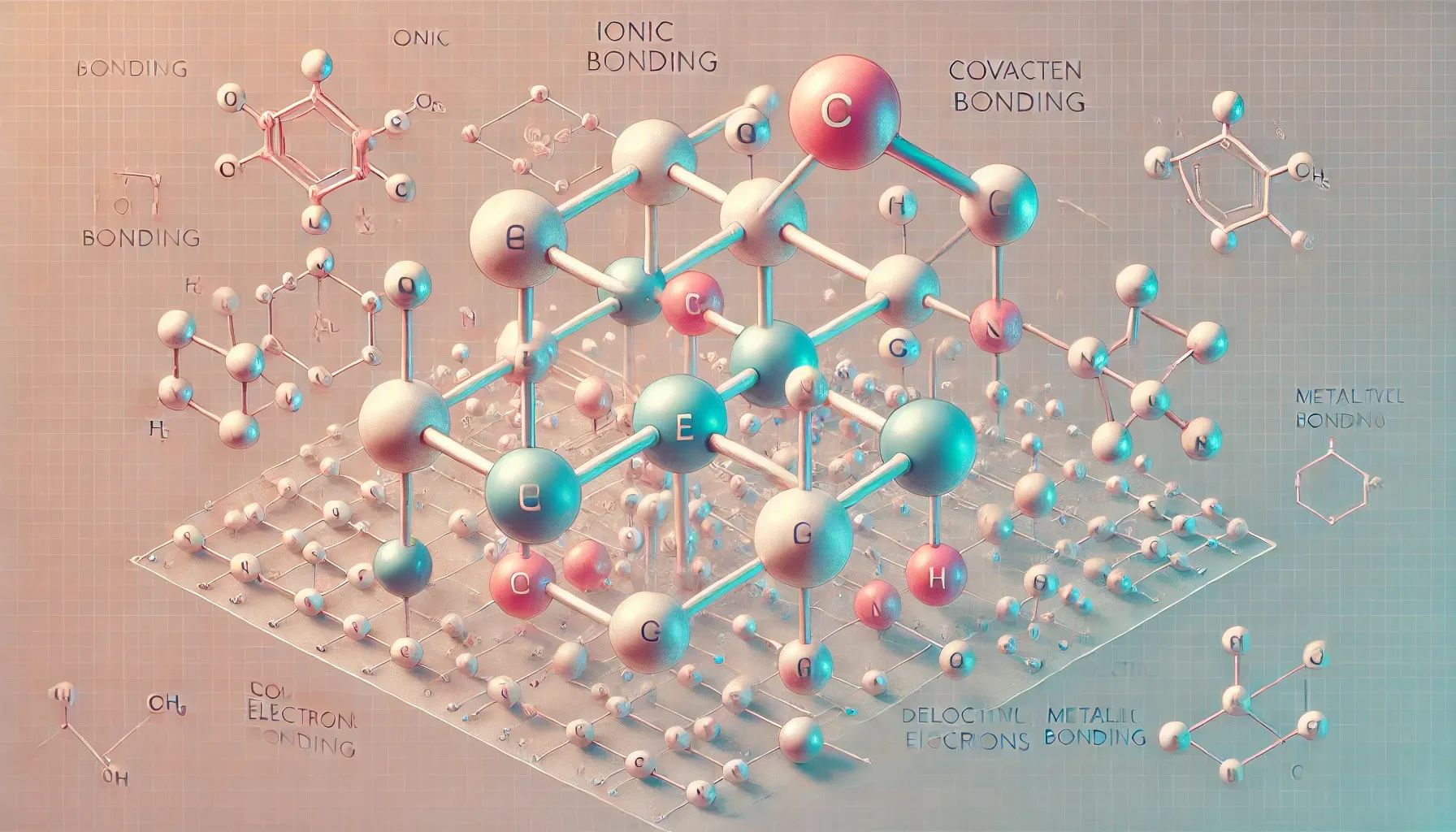
S2. Models of bonding and structure
태그
Date
2.1 The ionic model
2.2 The covalent model
2.2 The covalent model (AHL)
2.3 The metallic model
2.4 From models to materials
2.4 From models to materials (AHL)
갤러리 보기
Search
Understanding points
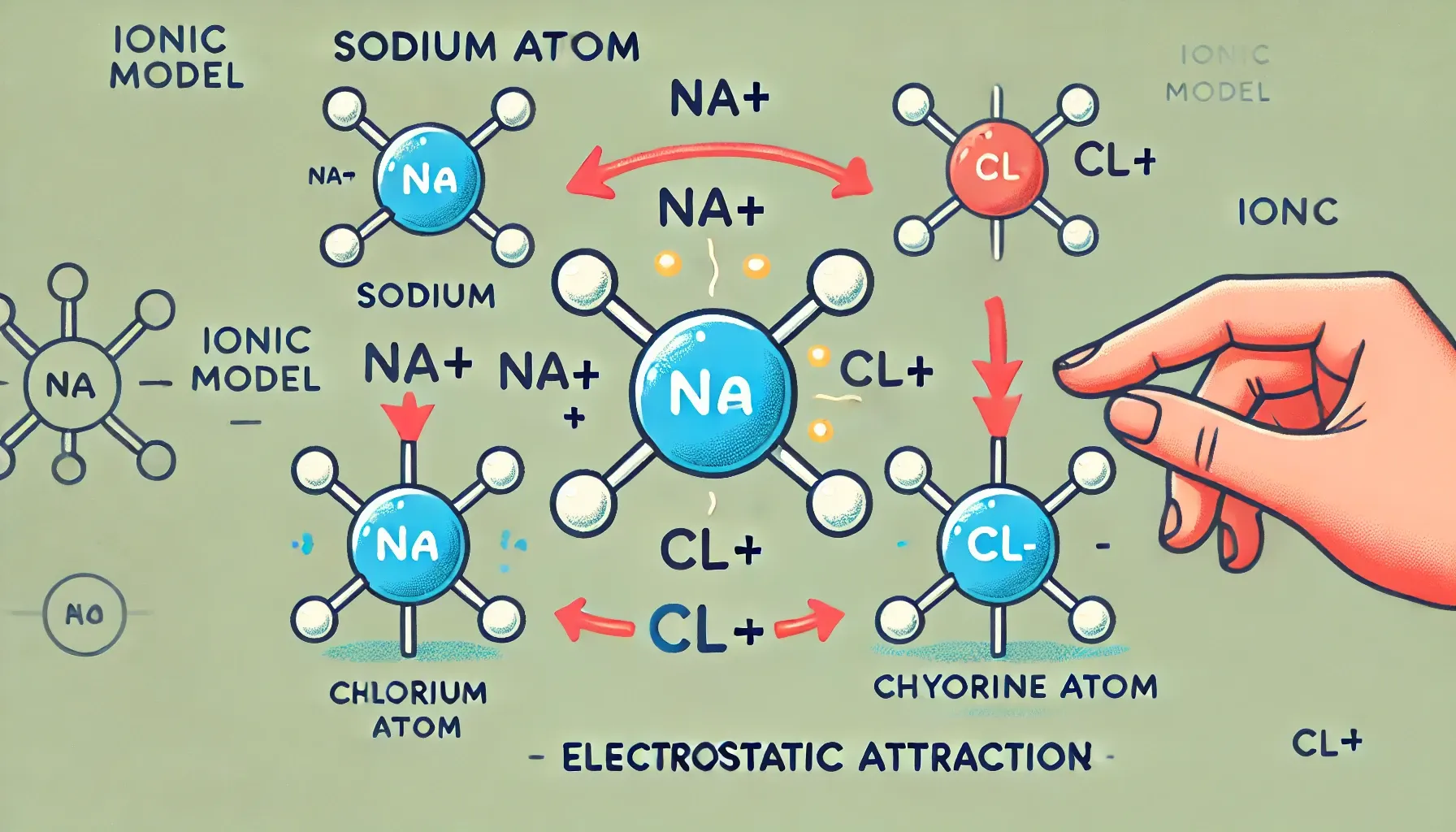
Ionic bond
•
Transfer of electron(s) from a metal to a non-metal and the resulting electrostatic attraction between oppositely charged ions
•
Metals lose valence electrons to form positive ions (
cations
)
•
Non-metals gain electrons to form negative ions (
anions
)
2.1 The ionic model
Understanding points
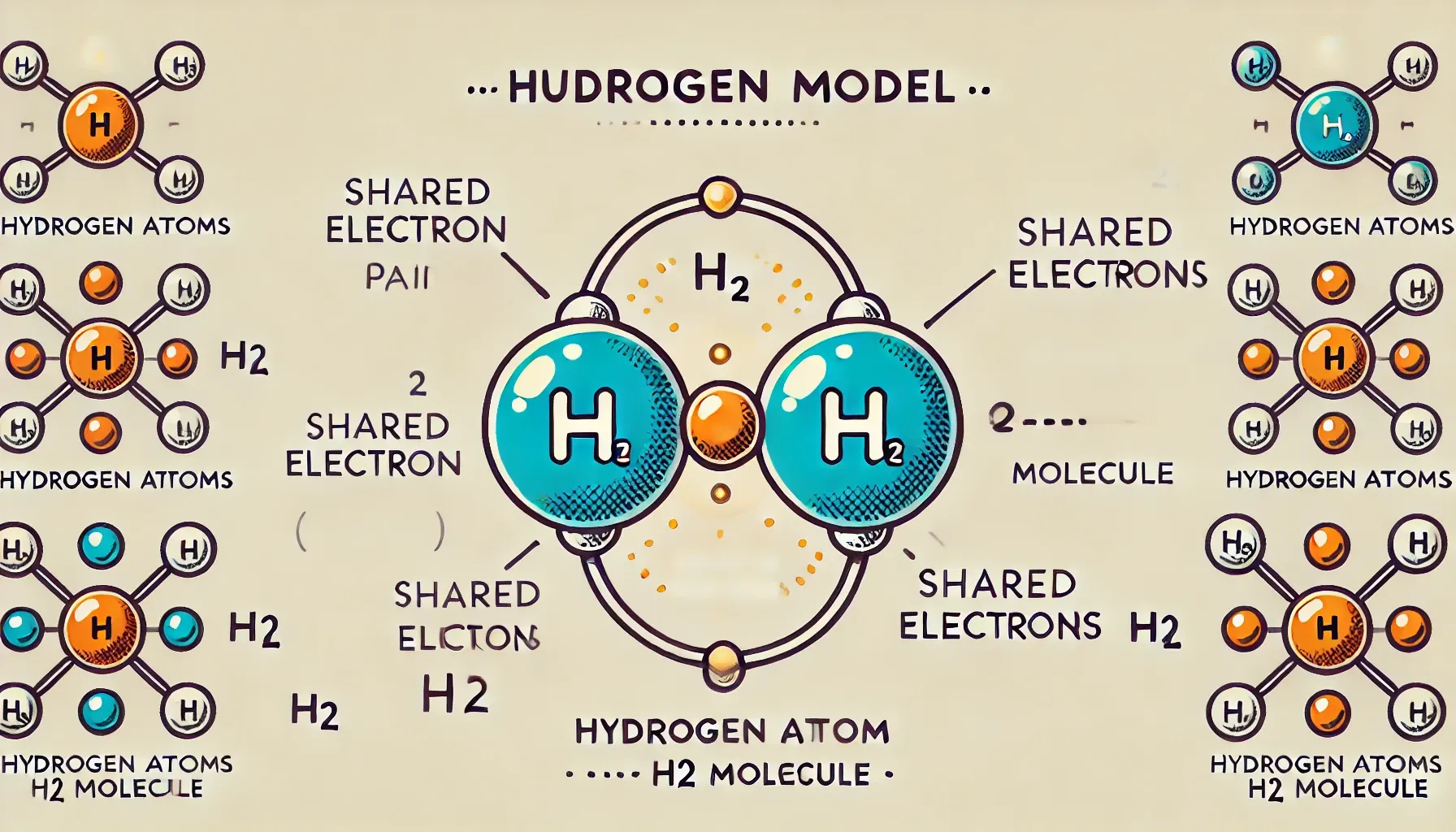
Covalent bond
•
Sharing of electron pair(s) between two atoms and resulting electrostatic attraction between (-ve) shared electron pair(s) and (+ve) two bonding nuclei
2.2 The covalent model
Understanding points
Resonance structures
•
Occurs when there is more than one position possible for double/triple bonds in a molecule
•
Individual structures are called
resonance forms
•
Actual electronic structure of species is called
resonance hybrid
: hybrid of the two resonance forms with delocalized e-s
2.2 The covalent model (AHL)
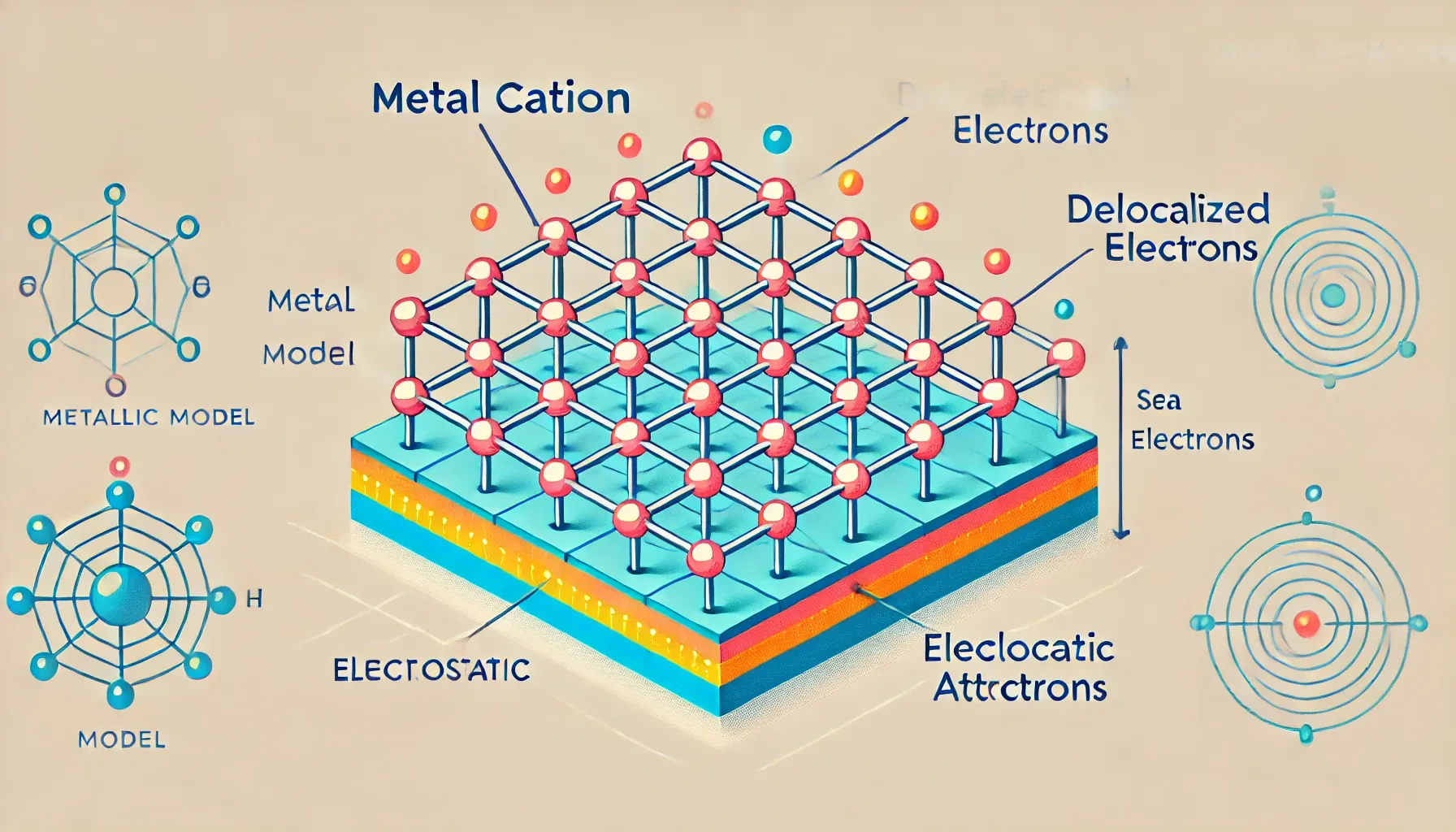
2.3 The metallic model
2.4 From models to materials
2.4 From models to materials (AHL)




-1.webp&blockId=0fc07ef4-782b-4813-a086-0b8deec578ec)
-1.webp&blockId=91269b52-7edc-4ec5-8309-47ba90ca260d)